Blockfi is an identity-check notice for remaining estate distributions
Blockfi is an estate-distribution identity check for former clients who still had an outstanding bankruptcy payment, with Kroll handling payment selection and a May 27, 2025 verification deadline. The page matters because it narrows a broad crypto-lender story into a practical creditor workflow: confirm the notice, complete the requested identity steps, choose the payment method when eligible, and avoid phishing messages that imitate estate administration.
The May 27, 2025 identity deadline changed the task from waiting to acting
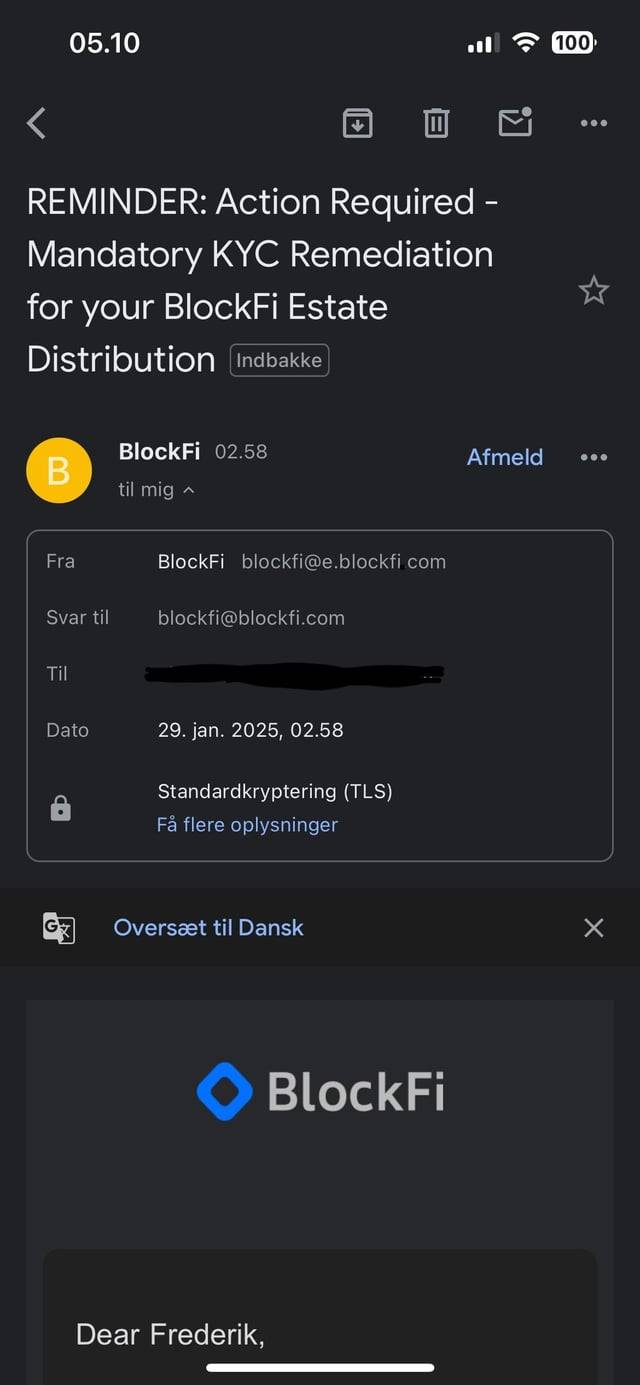
The remaining distribution process was built around a cutoff. Former clients who received an identity-check request had to complete it by May 27, 2025, so the estate could match the person or business to the claim before releasing the remaining payment. That date is central because it separated passive account history from an active remediation step.
This was especially important for people who had stopped following the case after earlier distributions. A bankruptcy claim does not behave like a normal app balance: the record moves through court-approved administration, notices, eligibility checks, payment elections, and follow-up remediation. Blockfi clients who treated the notice as another marketing email risked missing the practical work attached to their claim.
Kroll payment selection was the operational doorway
Kroll served as the payment-selection administrator for the estate process. That role matters because a creditor needed more than an old login memory or a saved app screenshot. The distribution path depended on the claim record, the identity record, and the selected payment method lining up inside the administrator's workflow.
The clearest way to understand the workflow is to separate three different records. The old lending or wallet account showed what a person once used. The bankruptcy claim tracked what the estate recognized. The payment selection told the administrator where and how an eligible distribution should go. Blockfi no longer functioned as the active yield product many users remembered; the remaining issue was estate settlement administration.
Identity checks tied the claim to a real recipient
Identity verification existed to connect a creditor record with the person or business requesting payment. For an individual, that meant confirming personal details attached to the claim. For a business account, the remediation process needed to support the entity record and the people authorized to act for it. Those steps reduced mistaken payments and blocked account-takeover attempts during the final stages of distribution.
Blockfi had a mixed client base that included retail users, international customers, and business accounts. That variety made identity matching more complex than a one-size form. Names changed, emails aged out, companies dissolved, officers moved, and documents expired. The estate process had to resolve those mismatches before money could leave the distribution channel.
International business account remediation added extra document friction
The official update called out international business account remediation for clients with an outstanding estate distribution. That wording points to a narrower group: company-linked accounts outside the simplest individual-creditor path. These accounts needed evidence that the business existed, that the claimant had authority, and that the payment destination matched the approved distribution record.
A business remediation file commonly turns on consistency. The legal name should match the claim record. The authorized signer should match corporate paperwork or account authority. The payment details should fit the business rather than a random personal account. None of that changes the claim amount by itself; it supports the administrator's ability to release a payment to the correct recipient.
Phishing risk rose because real notices created copycat opportunities
Estate distributions created a predictable phishing window. Attackers knew former customers were looking for payment emails, identity prompts, and Kroll-related instructions, so fake messages had a believable theme. A convincing scam did not need to explain the whole bankruptcy; it only needed to rush someone into handing over credentials, identity documents, wallet access, or payment details.
The safest reading pattern is narrow and practical: examine the sender, look for pressure tactics, avoid unexpected attachments, and distrust any message that asks for seed phrases or wallet recovery data. Blockfi-related distribution activity involved identity and payment administration, not private-key collection. That single distinction filters out many malicious messages without forcing a creditor to become a security expert.
Former app habits did not map neatly to the estate process
Many users first knew the company through interest accounts, crypto-backed loans, trading, or card-related products. Those product memories are poor guides for a bankruptcy distribution. The estate process used notices, deadlines, claim records, and administrator workflows rather than ordinary in-app account management.
That shift explains why a person could remember having an account and still need to complete separate verification. It also explains why a distribution notice could feel unfamiliar even when it was tied to a real creditor record. Blockfi as a consumer crypto lender had one operating model; the remaining estate workflow had another, built around claims administration rather than product access.
What a creditor needed before submitting identity information
Preparation reduced mistakes. The person completing the process needed enough information to connect the notice to the original claim and enough documentation to satisfy the identity request. Rushing through a form with stale details created avoidable friction, especially for business accounts and international clients.
- The email address or contact record associated with the claim.
- Legal name details that match the creditor record.
- Government or business identity documents requested by the administrator.
- Kroll payment-selection access or instructions tied to the distribution.
- A clean record of any prior distribution already received.
Those items did not guarantee payment on their own. They made the submitted file easier to reconcile with the estate's records, which was the practical purpose of the identity-check notice.
Remaining distributions belonged to a bankruptcy timeline, not a product relaunch
The estate-distribution angle is easy to misunderstand because the brand name still appears on updates, legal terms, resources, fee pages, and contact material. The presence of those pages did not mean the old lending business had restarted. The important current function was communicating updates, collecting required remediation information, and helping eligible creditors finish the payment-selection path.
That said, Blockfi's bankruptcy made the claim process the main relationship between former clients and the estate. That relationship was administrative: notices announced requirements, Kroll handled payment choices, and identity checks cleared unresolved recipient questions. Thinking of it as a claims file, rather than an account dashboard, gives the page its correct frame.
Payment selection, eligibility, and timing were separate issues
A completed identity check handled the recipient-matching problem. Payment selection handled the destination and method. Eligibility came from the estate's claim records and distribution rules. Timing followed the administrator's processing queue after the required information was accepted. Mixing those pieces together caused confusion because completing one step did not automatically mean every other step had finished.
More broadly, Blockfi creditors therefore had to read each instruction for the specific action it requested. An identity prompt asked, in effect, "Are you the right recipient for this claim?" A payment-selection prompt asked, "Where should the approved distribution be sent?" A status notice answered a different question: "Where does this claim sit in the administration process?"

Alternatives were bankruptcy channels, not competing crypto apps
For this specific issue, alternatives did not mean moving to another lender, exchange, or DeFi protocol. A remaining estate distribution was tied to the bankruptcy record. The useful comparison was between administrator channels, court notices, help-center updates, and direct remediation requests, because those were the places where a creditor's next step appeared.
A former customer evaluating what to do next needed to focus on documentary consistency rather than market opportunity. Coinbase, Kraken, Gemini, and other crypto services might receive funds after a distribution, but they were outside the decision that determined whether the estate recognized the recipient and payment election. The narrow path ran through the claim and identity workflow.
The lasting lesson is record discipline after a crypto platform failure
Estate notices reward people who keep account records, claim emails, tax documents, business authorizations, and distribution confirmations in one place. That discipline matters long after a platform stops offering its original products, because the final creditor actions arrive months or years after the first disruption.
Day to day, Blockfi remains a useful case study in how crypto account ownership becomes a document-driven process after insolvency. The identity-check deadline, Kroll payment selection, business remediation, and phishing warnings all point to the same practical reality: the final mile of a crypto bankruptcy is less about market prices and more about proving the right recipient for the right remaining distribution.
Blockfi FAQ
What documents were relevant for the remaining estate distribution identity check?
The relevant documents depended on the creditor type, but the core purpose was matching the claimant to the estate record. Individuals needed identity details that aligned with the original account or claim. Business accounts needed company information and authority records for the person acting on the entity's behalf. The strongest file kept names, emails, claim references, payment-selection records, and prior distribution confirmations consistent.
Can a remaining distribution be sent to a crypto exchange account?
A distribution destination depended on the payment options made available through the administrator's payment-selection process. A crypto exchange account was relevant only if it fit the accepted method, asset, and recipient requirements for that distribution. The safer framing is to treat the payment election as an estate instruction first, then decide whether the receiving account matches the allowed destination details.
Why did phishing emails target former clients during distribution notices?
Distribution notices gave scammers a believable reason to contact former clients. A fake message could mention identity checks, missed deadlines, Kroll, payment selection, or remaining funds to create urgency. The warning sign was any request that went beyond estate administration into credential theft, wallet recovery phrases, remote access, or payment redirection outside the expected workflow.
Which accounts were most likely to need international business remediation?
International company-linked accounts with an unresolved estate distribution were the main group identified for business remediation. These cases had more moving parts than a simple individual claim because the administrator needed to confirm the entity, the authorized representative, and the correct payment destination. Changes in company name, ownership, signer authority, or contact email made the file harder to match.