Blockfi is a post-bankruptcy distribution hub for former crypto lending clients
Blockfi is a post-bankruptcy distribution hub for former crypto lending clients who need estate payout routing, identity checks, and Kroll payment selection details. The lending business wound down after bankruptcy, while the estate process continued through client distributions, Payee ID workflows, KYC remediation, and official outreach controls. Searchers looking for the former platform should focus on claim status, payment method selection, security, and any remaining remediation steps tied to their account.
Kroll payment selection became the main client workflow
The most important active task for many former clients was payment selection. The estate used Kroll communications and a payment portal process to route distributions after claims were allowed under the bankruptcy plan. That workflow centered on an email, a Payee ID, the email address attached to the claim, and a choice of payout method. It replaced the normal product experience people remembered from the lending years with a claim administration process.
For Blockfi claimants, the payment page mattered because it turned a distribution record into a concrete payout route. After a user entered the required identifiers and selected a method, the site stated that funds would be sent in approximately 30 days. If no preferred method was selected, the fallback route was Zelle for U.S. clients and PayPal for clients outside the United States.
What the Payee ID email does
The Payee ID connected a claimant to the payment selection flow. A former Blockfi client looking for a distribution needed to locate the message that contained that identifier, then use the same receiving email address in the portal. This reduced ambiguity when multiple emails, old accounts, or previous platform logins existed across the bankruptcy process.
The identifier was also a security checkpoint. It gave the portal a way to match the distribution request to the claim record without asking a user to rely on a generic login. The safest reading of the workflow is simple and specific: the Payee ID and the receiving email work together, so changing either detail creates friction that support or Kroll must resolve.
Identity checks and the May 2025 remediation deadlines
Some outstanding distributions required Know Your Customer remediation before payment. The official update set May 27, 2025, as the deadline for remaining customer identity verification tied to distributions. By then, Blockfi had already emerged from bankruptcy on October 24, 2023, after its November 2022 filing, and the plan administrator had announced that eligible customers were set to receive 100% of the allowed dollar amount of claims.
Non-U.S. remediation involved Bermuda regulatory requirements and used Persona as the identity verification provider. The process referenced a unique key, a Persona portal, a passport, another government-issued ID, and, for non-U.S. citizens, a W-8 form. The site described the identity check as taking about 10 minutes, with payment processing expected within approximately 45 days after a reviewed and approved submission.
How U.S. and non-U.S. payout routes differed
The Blockfi estate separated client instructions by geography because the compliance requirements and payout rails were different. U.S. customers who had not received a distribution were directed to check for Kroll emails containing a unique key, including messages from addresses associated with the restructuring process. If the link had expired, the client needed a new payment link through Kroll.
Non-U.S. customers had an additional remediation layer when identity review remained incomplete. Their process focused on KYC completion before the estate could release the remaining distribution. This is why two people with similar claim histories could face different next steps: one needed payment selection, while another needed identity remediation before payment instructions mattered.
Security signals in official outreach
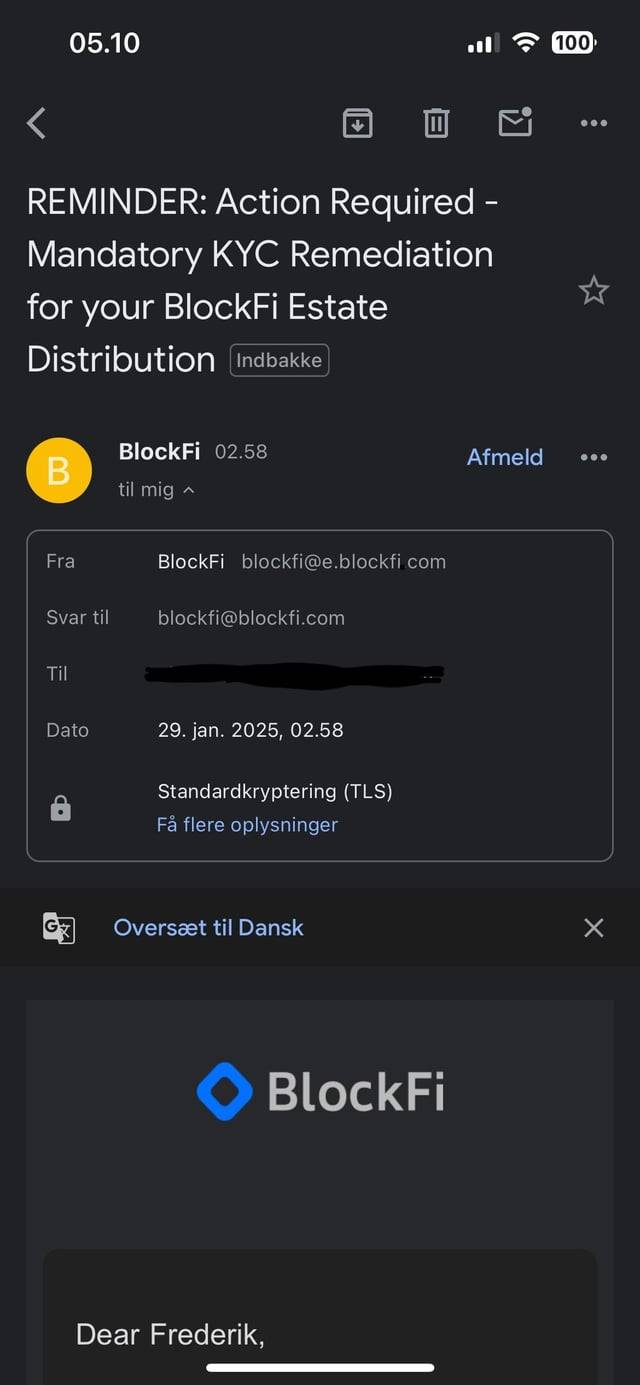
Phishing became a central risk because distributions created a valuable target: former clients expecting emails, links, and payout instructions. Blockfi published a list of official outreach channels and warned that messages from other senders were likely spam. That guidance reflected the reality of a bankruptcy distribution process, where a legitimate email can look operational and urgent, and a fake one can copy the same tone.
The strongest security habit was to treat the official website as the starting point for sensitive actions. A user could navigate to the site directly, then enter a unique key or follow the posted remediation path. Links inside unexpected emails deserved extra scrutiny, especially when they asked for identity documents, wallet details, bank information, or payment credentials.
Business accounts had a separate document path
International business accounts with outstanding estate distributions faced a more document-heavy route. The remediation update described a Business Remediation Document sent through DocuSign, a reply through SendSecure with required business documents, and personal KYC completion for business owners. The business deadline was May 15, 2025, at 11:59 PM UTC.
Entity documentation varied by structure. A company could need formation records, registers of members and directors, governing documents, authorized signatory evidence, ultimate beneficial owner information, and supporting records for intermediary entities. A trust could need a trust deed, trustee identity evidence, settlor information, beneficiary information, and regulator details where supervision applied. That workflow was closer to corporate compliance review than a retail payout form.
Coinbase, checks, Zelle, and PayPal in the distribution map
Distribution routes included several rails because the estate had to reach clients with different account types, locations, and claim records. For some Blockfi creditors, portions of remaining funds were held in crypto assets for eligible Coinbase accounts. Other distributions moved through payment selection, check routing, Zelle, or PayPal. The right path depended on eligibility, geography, payment selection status, and completion of any required review.
- Zelle served as a fallback payment method for U.S. clients when no preferred method was selected.
- PayPal served as the fallback for clients outside the United States.
- Checks appeared in U.S. customer instructions tied to Kroll payment links.
- Eligible Coinbase accounts mattered for certain crypto asset distributions.
- Persona handled identity verification for remediation workflows.
Alternatives now mean choosing a new custody model
After Blockfi, the practical alternative is no longer another identical yield account. Former users now choose among self-custody wallets, regulated crypto exchanges, brokerage-style platforms, and decentralized finance protocols. Each model moves responsibility to a different place. A hardware wallet gives the owner direct control of private keys. A large exchange provides a familiar account interface. A DeFi protocol exposes smart contract, liquidation, and market risks directly.
The old appeal of crypto lending was convenience: deposit assets, earn a stated return, and monitor a dashboard. The post-bankruptcy lesson is that convenience and claim priority are separate issues. Anyone replacing that experience should understand who holds the asset, how withdrawals work, what happens during distress, and whether the product depends on lending, staking, market making, or rehypothecation.
Reading the current site correctly
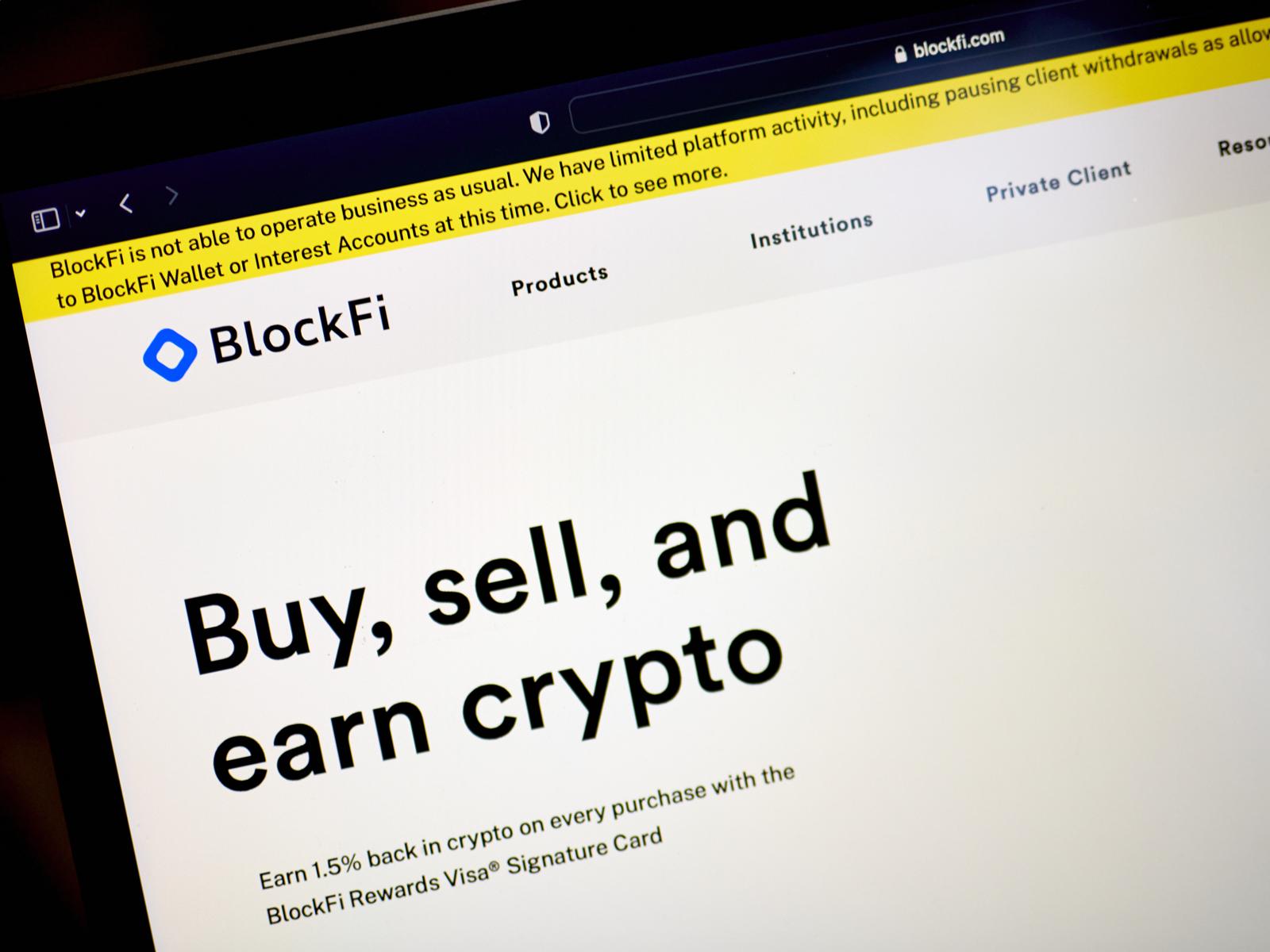
The current site is best read as an estate administration and support resource rather than a product marketplace. Rates, fee pages, old account language, and brand references remain part of the public footprint, but the live search intent is about distributions, remediation, Kroll notices, and payment timing. That makes Blockfi a bankruptcy follow-up topic today, not a place to evaluate a new crypto yield strategy.
A useful visit starts with the task in front of the claimant: locate the Payee ID, confirm the receiving email, complete any requested KYC or business remediation, and choose the payment method when the portal is available. The important details are administrative rather than speculative, and the final value of a claim follows the bankruptcy plan rather than current crypto market prices.
Blockfi questions worth asking
How long did estate payments take after selecting a payment method?
The payment selection page stated that funds would be sent in approximately 30 days after a claimant selected a payment method. Separate identity remediation workflows gave a different timing signal: once a submission was completed, reviewed, and approved, payment processing was expected within approximately 45 days. Those timelines described processing windows, not instant settlement after form submission.
Do I need the original email address to use a Payee ID?
The payment selection flow asked for the Payee ID from the distribution email and the email address that received that message. That means the original receiving email was part of the matching process. If access to that inbox was lost, the issue became an account verification and support matter rather than a normal self-service payment selection step.
What happens if a Kroll payment link expired?
The official customer instructions said U.S. customers with an expired Kroll link should contact Kroll directly for a new payment link. An expired link did not describe the claim value by itself; it meant the user could not complete that specific portal session. The next step was to use the restructuring contact path associated with the claim notice.
Which documents were relevant for international business remediation?
International business remediation centered on entity records and ownership evidence. Depending on the structure, requested materials included formation documents, registers of members and directors, governing documents, signatory evidence, ultimate beneficial owner identity evidence, and records for intermediary companies. Trusts had a separate set of documents, including trust deeds and identity evidence for trustees, settlors, and relevant beneficiaries.
Can a former client receive payment without choosing a preferred method?
The payment selection page described fallback payment methods when a claimant did not choose a preferred route. U.S. payments were to be sent by Zelle, while payments for all other countries were to be sent by PayPal. Choosing a method still mattered because it reduced reliance on fallback routing and gave the claimant more control over the payment path.
Is Coinbase required for every remaining estate distribution?
Coinbase was relevant only for certain eligible accounts and certain crypto asset distributions. The estate also used other routes, including payment selection, checks, Zelle, and PayPal. A claimant should understand Coinbase as one distribution channel in the overall process, not a universal requirement for every former customer or every type of allowed claim.
Recovering access after losing the old inbox, what details help support?
Useful records include the claimant name, old account email, any Payee ID or unique key, Kroll notice details, claim-related emails, and proof that connects the person to the original account. Because distribution workflows use identity and claim matching, support needs enough information to connect the request to the estate record before changing a communication or payment path.