Blockfi fees is a rate schedule for estate distribution payment handling
Blockfi fees is a payment-cost schedule for the remaining BlockFi estate distribution process, especially where Kroll payment selection, identity checks, international business account remediation, or payment delivery created an administrative charge. It explains the costs tied to receiving an approved distribution after BlockFi's lending, trading, and interest-account business had been wound down through bankruptcy administration.
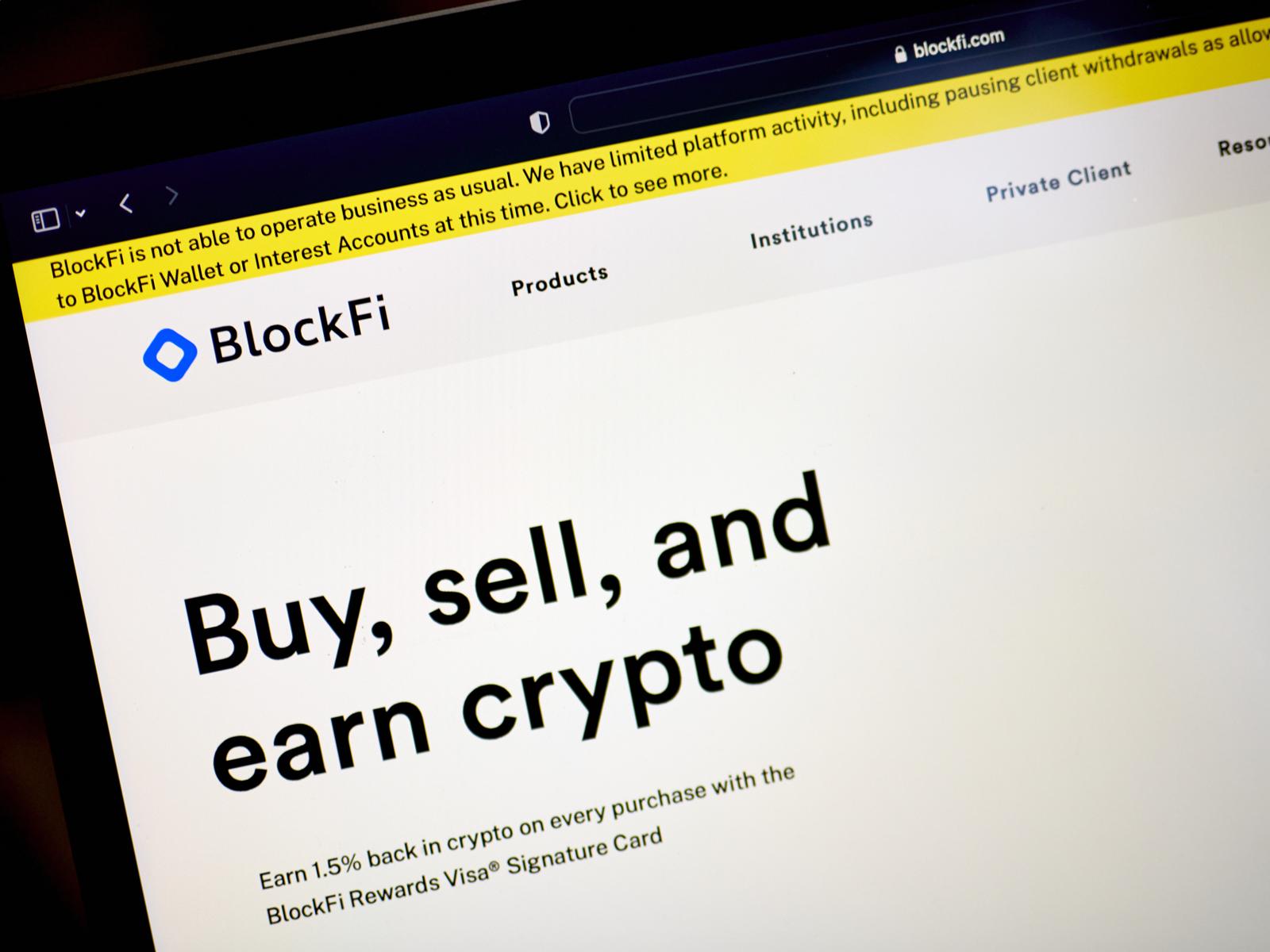
The useful way to read this topic is through the estate workflow, not through the old account dashboard. BlockFi once published rates for loans, trading spreads, withdrawals, and interest products, but the live public focus shifted to updates, Help Center notices, Kroll payment selection, phishing warnings, and remediation for clients still owed estate distributions. That shift matters because the relevant cost is attached to payment completion rather than an active crypto product.
The fee schedule belongs to the post-bankruptcy payment process
BlockFi entered bankruptcy proceedings after the collapse of the 2022 crypto credit market, and customer recovery moved into a claims-and-distribution process. Kroll served as the administrator for notices and payment selection, so many remaining questions about charges involved how a distribution was delivered, what information was required, and whether a recipient had completed the steps needed to receive funds.
Notably, Blockfi fees therefore described a narrow recovery expense: the charge connected with handling an estate distribution or remediation item. It did not function like a live exchange fee tier, a crypto withdrawal gas schedule, or a loan origination table. Users who searched for it were trying to understand why an estate payment amount, payment method, or business account correction carried a cost.
Where Kroll payment selection affected the final amount
Kroll payment selection was the practical checkpoint. Eligible clients selected how they wanted to receive an estate distribution, and the selected rail determined what processing steps followed. A domestic electronic payment, an international transfer, a business-account remediation case, and a stale or incomplete identity profile all created different operational work.
That is why Blockfi fees mattered most near the end of the process. The gross distribution came from the estate's approved recovery plan, while the net receipt reflected delivery mechanics. If a payment vendor, bank wire, currency route, reissue, or administrative review carried a charge, that charge belonged to the payment layer rather than to the underlying claim calculation.
Identity verification was a cost control as much as a security step
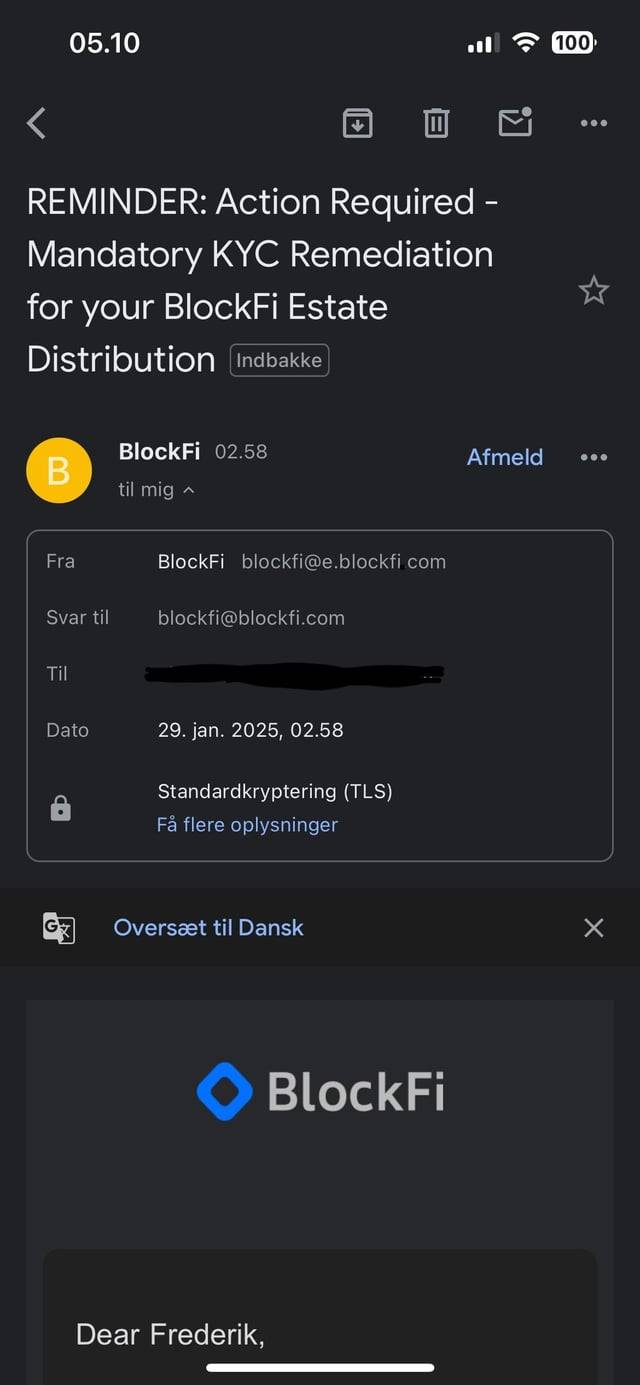
The official BlockFi updates emphasized identity verification before remaining distributions. The May 27, 2025 identity-verification deadline was presented as a way to secure remaining payments and reduce unresolved distribution friction. A clean identity record helped the administrator match the claimant, account, tax profile, and payment destination before releasing funds.
Incomplete verification created extra review. That review did not change the legal basis of a claim, but it affected timing and remediation work. For a user reading a Blockfi fees schedule, the key distinction was simple: a completed profile moved through the standard payment path, while unresolved identity or ownership issues pushed the account toward manual handling.
International business account remediation had its own friction
International business accounts brought additional checks because the account holder, beneficial owner, country, tax documentation, and receiving institution all had to line up. A corporate claimant also needed payment instructions that matched the legal entity entitled to the distribution. That made remediation more document-heavy than a simple consumer payment selection.
Typically, Blockfi fees in this context pointed to the administrative burden of fixing mismatched or incomplete business records before an estate payment could be released. The charge was tied to a real back-office task: reviewing entity information, resolving payment routing conflicts, and preparing the distribution for a client outside the simplest domestic payment path.
What old BlockFi customers should separate from estate charges
Old product costs still appear in searches because BlockFi used to operate interest accounts, crypto-backed loans, credit-card rewards, trading, wallet transfers, and institutional services. Those categories had their own pricing logic when the platform was active. The estate distribution page is a different subject because the customer relationship had moved from product use to claim recovery.
A reader should separate these cost buckets:
- Loan costs, including interest and collateral terms from legacy borrowing products.
- Trading costs, including spreads that applied when customers bought or sold crypto on the platform.
- Withdrawal costs, including network or transfer-related expenses from the active account era.
- Distribution costs, including payment handling after bankruptcy administration began.
- Remediation costs, including administrative work for incomplete, mismatched, or international account records.
Only the final two buckets explain the modern search intent around Blockfi fees. They describe how a recovery payment was completed after the platform's operating products had been retired.
How to read a distribution fee line without misreading the claim
A distribution fee line should be read as a payment adjustment, not as a new valuation of the underlying claim. The estate determined allowed claims and distribution percentages through the bankruptcy process. A delivery charge affected what arrived after the payment was processed, especially where a third-party rail or account correction added a defined expense.
The most common mistake is mixing three numbers together: the allowed claim amount, the estate distribution percentage, and the net payment after delivery costs. Blockfi fees applied to the last number. Keeping those figures separate makes the statement easier to audit and prevents a user from assuming that a small payment charge reduced the estate's recognition of the claim itself.
Phishing warnings changed how users handled payment notices
In most cases, BlockFi's public updates placed phishing protection next to distribution information for a reason. Estate recipients were a natural target for fake payment emails, spoofed portals, and messages asking for wallet access or personal information. A legitimate payment-selection process asked users to follow the administrator's official workflow, not to hand over private keys or send crypto to release a payment.
This risk intersects with fees because scam messages mimic urgency around charges. A real administrative fee appears inside the authorized payment or remediation process. A demand for an off-platform crypto transfer, a seed phrase, or a surprise release charge is a fraud signal. The safest reading of Blockfi fees is always tied to the official claim and payment context, not to an unsolicited message.
Alternatives for people comparing payment routes
The relevant alternative was not another crypto lender. For remaining estate distributions, the choice sat inside the payment-selection menu made available to an eligible claimant. Electronic payment, wire transfer, check, or another supported rail each had different speed, availability, and cost characteristics. The best route was the one the recipient could complete with accurate identity and banking details.
Someone receiving funds through a business entity had fewer casual choices than an individual. The payee name, jurisdiction, account ownership, and compliance records had to match. That made a cheaper-looking option less useful when it created a rejection, reissue, or remediation loop. The sound approach was to choose a payment path that matched the claimant record exactly.
Why this page still matters after the deadline passed
The May 27, 2025 verification deadline has already passed, but the fee question remains relevant for records, tax preparation, customer support, and dispute review. Estate recipients still need to understand why a payment differed from an expected amount or why an account required remediation before distribution. A fee schedule gives structure to that review.
For context, Blockfi fees also helps former users translate scattered bankruptcy language into plain payment accounting. The core issue is not whether BlockFi offers a current product; it is how remaining distributions were selected, reviewed, charged, and delivered. That narrow reading gives the term its value and keeps it connected to the real BlockFi process rather than the defunct lending platform.
Quick answers about Blockfi fees
What charges mattered most for a remaining BlockFi estate payment?
The main charges were payment-handling and remediation costs tied to delivering an approved estate distribution. They were separate from old trading spreads, loan interest, or withdrawal costs from the active BlockFi platform. The relevant amount was the difference between the gross distribution calculated through the estate process and the net payment delivered through the selected payment rail.
Could a BlockFi distribution fee reduce my allowed claim amount?
A distribution fee reduced the payment delivery amount, not the allowed claim itself. The claim amount came from the bankruptcy and estate administration process. Payment costs belonged to the final delivery step, where the administrator processed the selected payment method, handled bank or vendor charges, or resolved account-record issues before releasing funds.
International BlockFi business account fees, why were they different?
International business accounts required extra review because the estate had to match the legal entity, ownership records, country information, tax details, and receiving account. That made remediation more involved than a standard individual payment. Any fee in that setting reflected payment administration and document correction rather than a separate crypto product charge.
When did BlockFi require identity verification for remaining distributions?
BlockFi's public update identified May 27, 2025 as the identity-verification deadline for securing remaining distributions. That date has passed. The deadline mattered because verified identity details helped connect the claimant to the correct account and payment destination, reducing manual review and unresolved distribution issues.
Does Kroll decide the size of a BlockFi customer recovery?
Kroll handled administration, notices, and payment-selection workflows, but the recovery framework came from the bankruptcy estate process. The administrator's role affected how payments were selected and delivered. A delivery fee or remediation charge belonged to the payment workflow and should be read separately from the estate's calculation of the allowed customer claim.
Can old BlockFi loan or trading fees explain an estate distribution deduction?
Old product fees explain activity from the operating platform era, not most post-bankruptcy distribution deductions. A deduction on an estate payment is better read through payment method, wire or vendor handling, reissue work, or account remediation. Mixing legacy product pricing with estate-payment accounting leads to the wrong explanation for the final net receipt.
Payment notice asks for crypto to release BlockFi funds; is that a fee?
A request to send crypto, disclose a seed phrase, or pay a surprise release charge outside the administrator's payment workflow is not a normal estate distribution fee. BlockFi's public updates emphasized phishing protection because former clients were targeted during the distribution period. Legitimate costs appear within the authorized claim and payment-selection process.